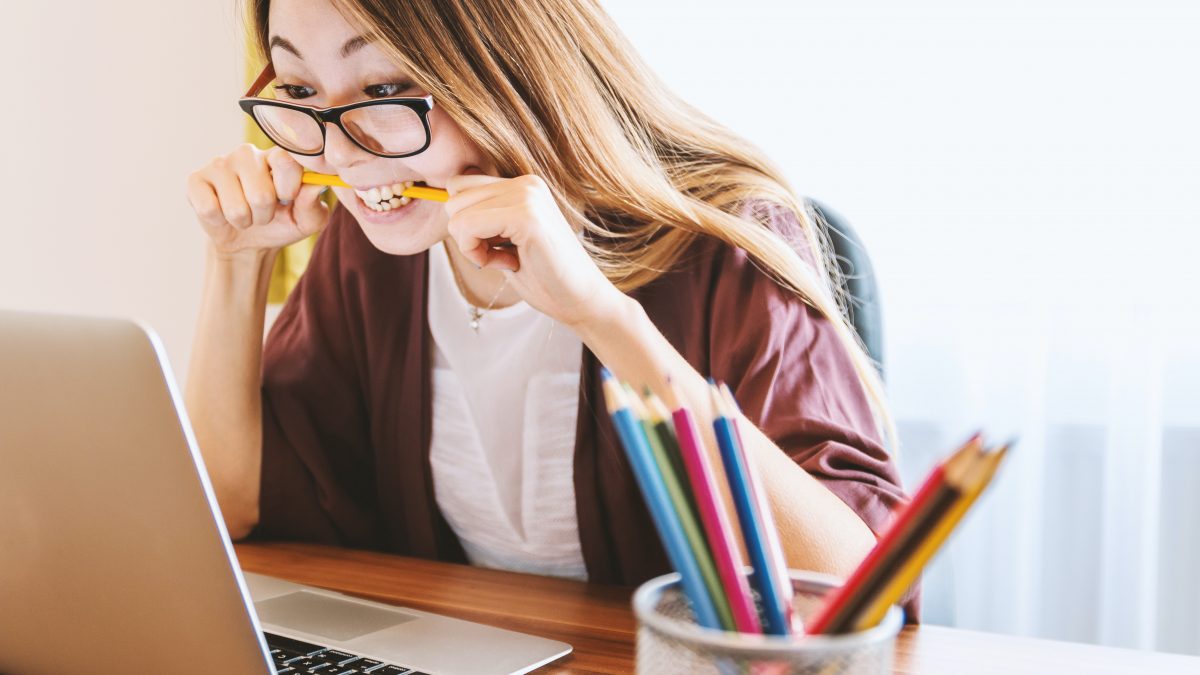

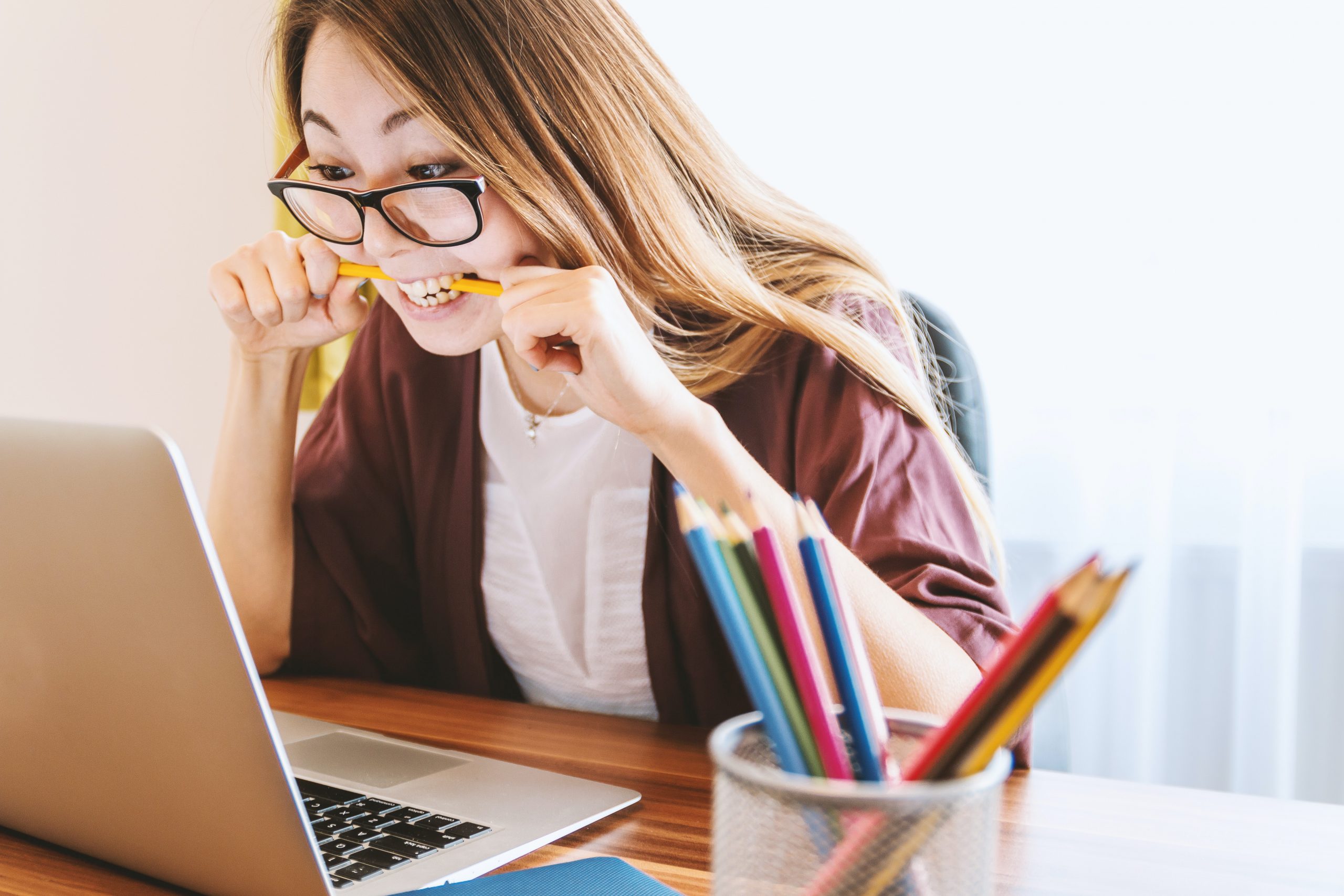
Anxiety is a huge problem in our society, and can be debilitating for those who suffer from it. Integrative bodyworker, Janet Matthies offers practical help.
There are many symptoms associated with anxiety and often our current medical model will prescribe medication to help alleviate and/or manage those symptoms. This article will identify anxiety symptoms and how Zen Bodytherapy, Asian-infused yoga and western-style resistance training can help independently manage symptoms; minimizing, or in some cases eliminating, the need for pharmaceuticals.
Anxiety is a valuable signal often giving a clue that we are heading for a dangerous or harmful situation. People have learned to shut this ability to sense danger off, and it would be much better if we all still had it. Extra-sensitive people are highly versed in this area yet in our society this skill is not valued, so they may feel de-valued. The key is to manage the sensitivity so the consequent anxiety doesn’t become overwhelming and emotionally paralyzing. It is also important for people with anxiety to value themselves and this special outlook they have on life.
Techniques for Managing Anxiety
1. Massage
Our breath is a huge indicator of emotional health and is often one of the first things to be altered if we are in an anxious state. There are many forms of massage that work with deep tissue pressure that can be extremely helpful for those with anxiety. While you may be familiar with massage as a technique for releasing tension in the muscles and taking us to deep relaxation, it can also be used to facilitate smooth, full breathing. Here are two different kinds of massage that can be particularly helpful.
2. Zen Bodytherapy
Zen Bodytherapy uncovers tendon and ligament tension deep in the places where our muscles originate and attach. Releasing the muscles that lie between the ribs will help to unlock a tight chest, and restricted breathing. If you watch your ribs as you breathe you will notice the rise and fall of your chest. And if you look even closer you might start to notice places that are NOT moving. It is those unmoving places that have become stuck and would be released during this type of deep tissue massage. This kind of release feels so amazing and just to be able to breathe easily is the best feeling! Typically, a course of Zen Bodytherapy would consist of 10 sessions.
3. Deep Tissue “Muscle Mashing”
Another style of massage that is very effective for full, smooth breathing is deep tissue muscle mashing. In muscle mashing, the practitioner uses their feet to massage. The client will typically lie face down on a body cushion placed on the floor. The body cushion is contoured to support your face just as if you were on a traditional massage table; it also provides support for your chest and torso making this massage very comfortable to receive.
Traditional Chinese Medicine works on energy pathways called meridians. These run all over the body from the tips of your fingers to the tops of your toes. Each meridian passes through a specific organ (after which it is usually named) and specific muscles. For example, the Lung and Large Intestine meridians run through the chest and upper back and a deep tissue “muscle mashing” massage in these places will help release the pectoral and upper trapezius muscles which often become imbalanced and can contribute to restricted breath capacity. Interestingly, massaging deeply on the muscles that allow the pelvis to move freely will also release restricted postural areas that “crook” the body causing the flow of air to have to travel through an obstacle course in order to move through and eventually out of the body.
4. Stretching/Strength Training: Anxiety Reducing Exercises
At Infinity, we explore the meridians as one way of understanding the relationship between physical tension and our emotional patterns. Anxiety can show up differently in different people, so rather than thinking of one meridian as “the anxiety meridian,” we can look at several meridians whose energetic themes may become relevant when we feel anxious, overwhelmed, restricted, or emotionally unsettled.
The muscle groups in each of these meridians are the inside thigh muscles, the hip flexors, lateral hamstrings, and rotator cuff muscles. Below are some stretches you can practice safely on your own. They will not only make your body strong and flexible but will also help reduce symptoms of anxiety.
Meridians for Anxiety
1. Liver Meridian
The Liver meridian explores our relationship with freedom: how we claim it for ourselves, how we protect it for others, and what happens when we feel restricted. When Liver energy is out of balance, frustration can build when we feel controlled, stuck, or unable to move in the direction we want to go.
The muscles on the inside of your thighs (adductors) and the muscles on the sides of your waist (quadratus lumborum) are two of the main muscle groups in the liver meridian pathway. Stretching and strength training these muscles affect the health of the physical liver and alleviates internal frustration. It’s also a great stretch for managing overall emotional wellbeing.
Check out the liver meridian exercise video here.
2. Sexual Meridian
The Sexual meridian is represented by the God/Goddess and explores receptivity, connection, creativity, and our ability to receive. As the Conception Vessel, it is the home of Yin energy in the body.
When this energy is out of balance, it can become difficult to separate our own emotions and desires from those of the people around us. We may absorb other people’s feelings, look outside ourselves for validation, or lose our sense of self in our relationships with others.
Working with the Sexual meridian offers a physical way to explore this relationship between receptivity and staying rooted in yourself.
Check out the sexual meridian exercise here.
3. Bladder Meridian
At Infinity, the Bladder meridian is represented by the Entertainer and explores our ability to respond and adapt to the people and environment around us. Entertainer energy helps us read the room, connect with others, and shift in response to what is happening around us.
When Bladder energy is out of balance, that responsiveness can become exhausting. We may become overly focused on how other people are responding to us or struggle to stay connected to ourselves while navigating the emotional energy around us.
The Bladder exercises offer one way to physically explore this meridian and reconnect with a greater sense of balance.
Check out the bladder meridian exercise here.
4. Small Intestine Meridian
The Small Intestine meridian is represented by the Artist and explores discernment: our ability to sort through what we take in and recognize what matters. Like the physical small intestine, which separates and absorbs what the body can use, the Artist filters experience through their own perspective and turns what they see and feel into something meaningful.
When Small Intestine energy is out of balance, it can become difficult to sort through what we are experiencing. Emotions may feel overwhelming, and we may struggle to recognize what deserves our attention and what we can let pass through.
Working with the Small Intestine meridian gives us a physical way to explore that process of sorting, processing, and expressing what we experience.
Check out the small intestine meridian exercise here.
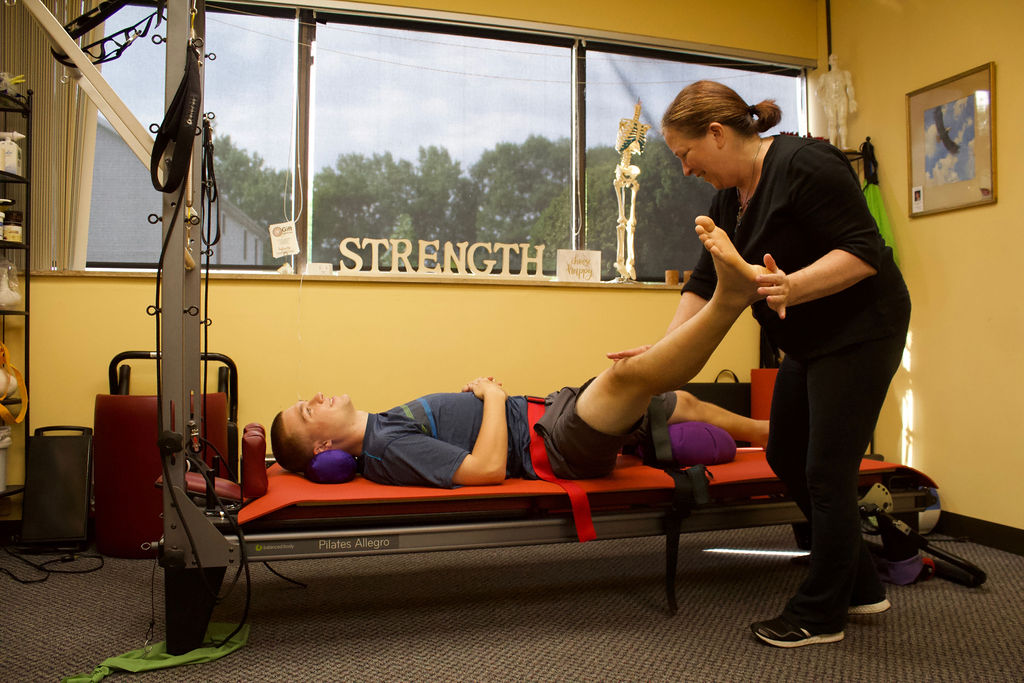
The stretches shown here can be easily integrated into your daily workout. If you feel more anxious than usual, or you notice tension building at certain times, plan ahead to work these four stretches into your routine – 15 minutes is all it takes.
If you like what you are reading, we welcome your feedback in the comments section below. Additionally, if you have experience with any other bodywork styles used specifically to help manage anxiety, please share as we will all benefit from our collective thought.
To book a private appointment with me click here.
Keep Stretching!
Janet Matthies
8th July 2014
